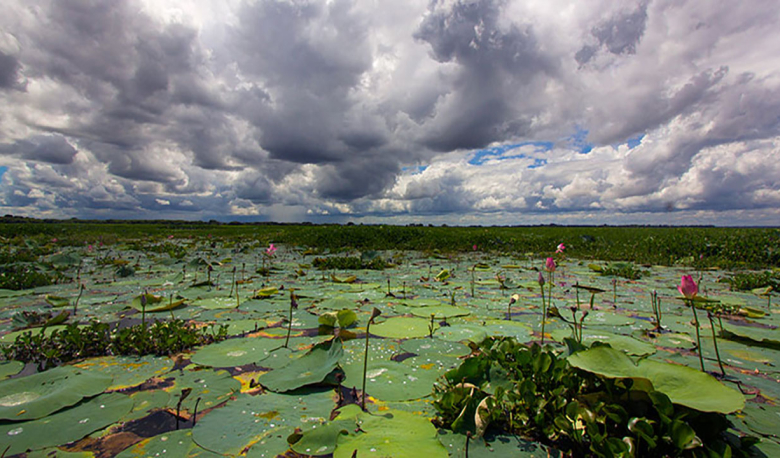
About DBHWD
Preserving Bangladesh’s natural heritage—from the depths of the Haors to the biodiversity of our wetlands—under the Ministry of Water Resources.
History of DBHWD
The journey of Bangladesh Haor and Wetland Development from 1973 to present.
The Vision
Father of the Nation Bangabandhu Sheikh Mujibur Rahman orders the formation of the "Haor Development Board" to alleviate poverty and improve the quality of life in the Haor region.
Official Formation
The Bangladesh Haor Development Board was officially formed through an ordinance to manage the country's vast water resources.
Abolition
The Board was abolished by the then Government, pausing centralized development efforts for the Haor regions.
Re-establishment
Under the earnest desire of Honorable Prime Minister Sheikh Hasina, the "Bangladesh Haor and Wetlands Development Board" was established under the Ministry of Water Resources.
Cabinet Decision
The Cabinet decided to reform the board as an "Attached Department" to enhance its functional capacity and reach.
Advisory Committee Meeting
First meeting presided by the PM. Decisions taken for capacity development, including the approval of 71 new posts for the department.
Formal DBHWD Formation
Official notification issued forming the "Department of Bangladesh Haor and Wetland Development" (DBHWD) as it exists today.
A Land of Diverse Waters
Bangladesh is defined by its unique geography. From the 121 km of pristine sea beaches to the vast freshwater marshes and the majestic Kaptai Lake—Asia's largest artificial reservoir—our country is rich in biodiversity.
The people of the Haor region are combative and action-oriented. DBHWD works to counter desertification, improve navigation, and promote community-based tourism to empower these neglected communities while protecting the eco-system.
"The state shall preserve and develop the environment... provide for the conservation and safety of natural resources, biodiversity, wetlands, forests and wild animals."
— Article 18(a), Constitution of Bangladesh
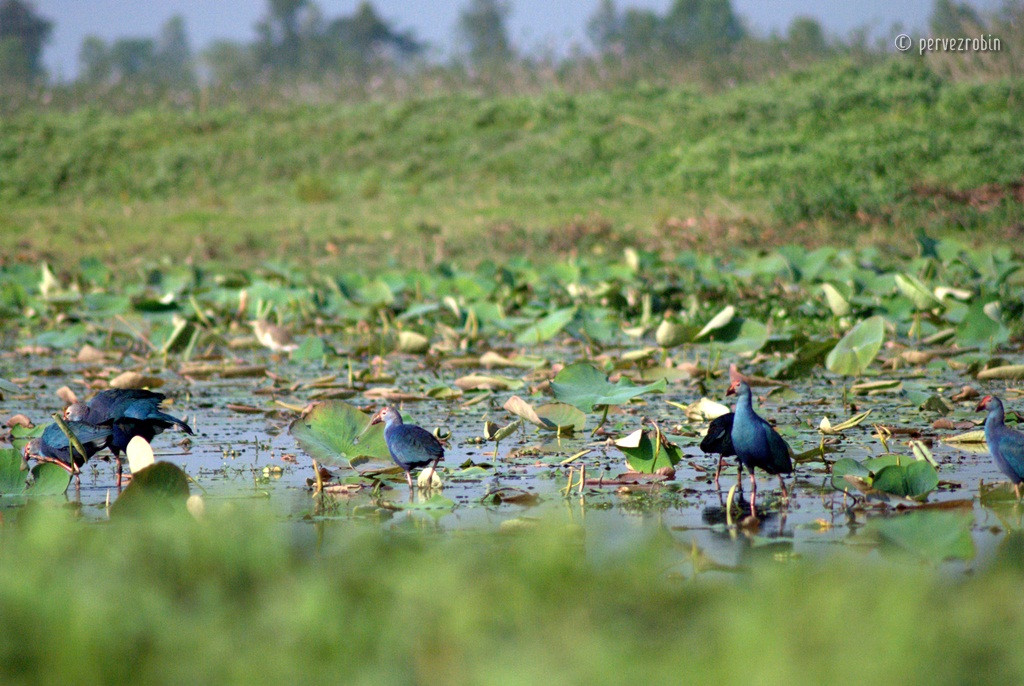

Key Objectives
Sustainable Agriculture
Protecting Boro crops from flash floods and promoting climate-smart agricultural practices tailored for wetland soil.
Fisheries Management
Maintaining the natural breeding grounds of indigenous fish species and regulating beel harvesting to meet protein needs.
Livelihood Diversification
Creating alternative income sources and navigation improvements for people in the haor basin during the monsoon season.
Integrated GIS Database
Maintaining a centralized "ONE DBHWD" database for all spatial and non-spatial data related to wetlands and coastal regions.
